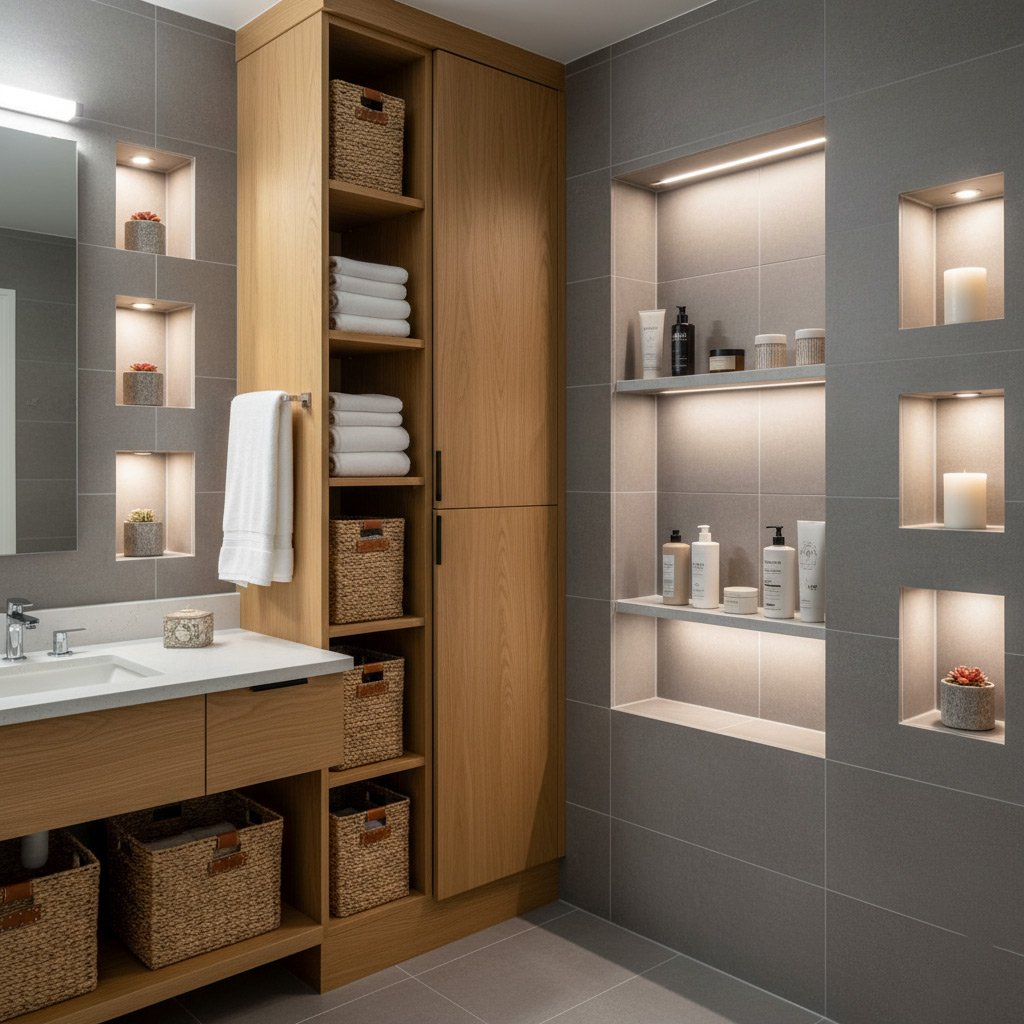
Ever walked into a tile showroom and felt the salesman grin while slipping a cheap liner past you? That’s the moment a pro’s secret weapon starts working – they hide the real cost of a “budget” liner until it’s too late.
In Chandler’s desert heat, a flimsy shower liner can warp, crack, or turn moldy faster than you can say “renovation.” The right liner isn’t just about price; it’s about durability, water resistance, and how well it plays with the local water chemistry.
If you’re ready to stop guessing and start choosing a liner that actually lasts, keep reading.
Understanding Shower Liner Materials: PVC, CPE, Acrylic, and Emerging Options
When you step into a shower, the liner is the silent workhorse that keeps water where it belongs. Choosing the right polymer isn’t about brand hype; it’s about how the material behaves under Chandler’s scorching sun and mineral‑rich water.
PVC and CPE – The Workhorse Duo
Both PVC (polyvinyl chloride) and CPE (chlorinated polyethylene) are flexible, cost‑effective, and widely available. They differ mainly in:
- PVC – lighter, easier to cut, but can become brittle if exposed to UV for too long.
- CPE – denser, resists cracking in high‑heat environments, and tolerates the occasional chemical splash.
In a desert climate, CPE often outlasts PVC because it handles temperature swings without warping.
Acrylic and the New Kids on the Block
Acrylic liners bring a sleek, glass‑like finish that many homeowners love for its visual appeal. They’re heavier and usually require a reinforced backing, but they excel at resisting mold growth.
Emerging options such as reinforced EPDM rubber or hybrid polymer blends promise even better durability. Look for:
- Built‑in reinforcement mesh for added strength.
- Certified water‑resistance ratings that meet or exceed local building codes.
- Warranty terms that cover at least 10 years of use.
Chandler Water Chemistry: How Hard Water, Minerals, and Temperature Affect Liner Performance
Chandler’s tap water is a heavyweight champion of calcium and magnesium. Those minerals love to settle on any surface, turning a pristine liner into a gritty, pitted mess in just a few months. When a liner can’t repel the mineral barrage, it starts to weaken from the inside out.
The desert heat isn’t just uncomfortable—it’s a relentless expansion‑contraction cycle. On a scorching summer day the shower walls can swell 0.5 mm, then shrink when the night drops below 50 °F. Every tiny movement tests the liner’s seams and bonding agents. If the material is too brittle, cracks appear before you even notice a leak.
Red flags to keep on your radar
- Visible white deposits on the liner surface – a sign of mineral buildup.
- Soft spots or warping after a hot shower – temperature stress in action.
- Foggy or cloudy areas that never clear up – the liner’s water‑resistance rating is being compromised.
Critical Specs to Evaluate: Thickness, Reinforcement, Water‑Resistance Ratings, and Warranty Terms
Thickness
In Chandler’s scorching climate, a liner that’s too thin will bow under heat and moisture. Aim for at least 5 mm for standard residential showers; premium models push 7 mm or more, giving you a buffer against warping.
Thicker isn’t automatically better—look for a consistent gauge across the entire sheet. A uniform thickness means the liner won’t develop weak spots where water can seep.
Reinforcement
Reinforcement is the hidden armor that keeps a liner from tearing when you yank the shower curtain or install heavy glass doors. The two most common types are:
- Fiberglass mesh – flexible, resists cracking, great for DIY installs.
- Stainless‑steel scrim – ultra‑rigid, ideal for high‑traffic homes.
Choose a liner with a reinforcement layer that matches your usage pattern; a family of four will thank you for the steel scrim.
Water‑Resistance Ratings & Warranty
Look for a liner rated at 10,000 psi or higher for water pressure resistance. The rating tells you how much force the material can take before it starts leaking.
Warranty terms are the safety net. A solid warranty will spell out:
- Coverage length (5‑10 years is common).
- What’s excluded—usually damage from improper installation.
- Whether the manufacturer will replace or repair the liner.
Read the fine print. A cheap liner with a one‑year warranty often ends up costing more in the long run.
Common Installation Pitfalls in Desert Climates and How to Prevent Premature Failure
Substrate Prep & Moisture Management
Skipping the moisture barrier is a fast track to a soggy liner that peels within months. In Chandler’s dry heat, the concrete slab still breathes, and any trapped vapor will push against the liner like a tiny pressure cooker.
Do this right:
- Apply a 10‑mil vapor‑retarder before the liner goes down.
- Seal all cracks in the slab with a flexible epoxy; even hairline gaps become leak paths.
- Let the primer cure for at least 24 hours – no shortcuts.
Temperature Swings & Expansion Joints
Desert days can hit 115°F, while nights dip into the 40s. Those swings make the liner expand and contract, and if it’s glued straight to the wall, you’ll hear that dreaded “pop” and see a split.
Prevent it by:
- Leaving a ¼‑inch expansion gap at the floor‑to‑wall junction.
- Using a high‑temperature silicone that stays pliable up to 250°F.
- Installing a flexible backer rod in corners before sealing.
Seam Sealing & Curing Mistakes
Many DIYers think a quick bead of caulk will do the job. In reality, a weak seam is a water highway that invites mold and liner delamination.
Secure seams with these steps:
- Apply a water‑resistant, mold‑blocking tape before the final seal.
- Run a continuous bead of 100% silicone, then smooth it with a wet finger.
- Allow a full 48‑hour cure before exposing the shower to any water.
Balancing Cost and Longevity: When a Higher‑Priced Liner Pays Off Over Time
In Chandler, a cheap liner may look like a bargain, but the hidden price tag shows up in cracked seams, mold growth, and premature replacement. Investing a bit more now means you dodge those surprise repair bills and keep your bathroom looking showroom‑ready for years.
What you actually save
- Repair costs: A premium liner resists warping, so you avoid costly patch‑ups.
- Water‑damage mitigation: Better water resistance means less seepage into walls and sub‑floors.
- Resale boost: Homebuyers notice a flawless shower, translating to higher offers.
Look at the warranty as a profit center. A 10‑year guarantee on a high‑grade acrylic liner often includes free labor for any liner‑related issue—effectively turning a $1,200 purchase into a zero‑out‑of‑pocket repair plan. When you factor in the avoided downtime and the peace of mind, the ROI becomes crystal clear.
Case Study: A Chandler Bathroom Remodel That Saved Homeowners Thousands with the Right Liner Choice
When the Martinez family hired us for a full‑bath remodel in north‑west Chandler, the budget spreadsheet screamed “cut corners.” They were eyeing a cheap PVC liner that would have saved a few hundred dollars upfront, but we warned them about the desert’s relentless heat and hard water. Choosing a 30‑mil CPE liner with a reinforced polyester core turned the project from a potential money pit into a long‑term win.
The Project at a Glance
We swapped the budget liner for a premium CPE option that boasts a water‑resistance rating of 1,200 psi and a 10‑year warranty. Installation was done with a thin‑set mortar designed for high‑temperature shifts, eliminating the common warping issue. Within six months, the Martinezes reported zero leaks, no mold, and a shower that feels “brand new” every day.
Here’s how the numbers broke down:
- Initial liner cost difference: $350 more for CPE vs. PVC.
- Estimated repair savings over 10 years: $2,800 (no replacement, no mold remediation).
- Energy‑efficiency gain from better insulation: $150 in reduced hot‑water usage.
- Total net savings: roughly $2,600 – a clear win for a smart material choice.
Final Words
Choosing the right shower liner in Chandler isn’t a gamble—it’s a strategic move. When you match material, thickness, and warranty to the desert’s hard water, you lock in years of hassle‑free showers.
Next Steps
- Ask your installer for the R-value and reinforcement details before signing.
- Verify the liner’s water‑resistance rating meets local code.
- Get a written warranty that covers warping and mold for at least 10 years.
If you’d rather skip the research and let a seasoned team handle the details, check out our Shower Liners page. We’ll match you with a liner that survives Chandler’s heat and saves you money in the long run.
People Also Ask
What is the best shower liner material for Chandler’s hard water?
A high‑density PVC liner with a reinforced core resists mineral buildup and cracking caused by hard water. Look for a liner rated for at least 30 mil thickness and a water‑resistance rating of 150 psi.How does desert temperature swing affect shower liner longevity?
Extreme heat expands the liner while cooler nights cause contraction, which can lead to delamination if the material is too thin. Choosing a liner with a flexible acrylic or CPE blend helps absorb temperature fluctuations.Do I need a warranty on my shower liner in Chandler?
Yes, a warranty of 10 years or more protects against premature failure from water‑pressure spikes and mineral corrosion. Verify that the warranty covers both material defects and installation errors.Can a cheaper shower liner cause higher long‑term costs?
A low‑cost liner often lacks reinforcement, leading to leaks, mold, and costly repairs. Investing in a premium liner can save thousands by avoiding water damage and replacement within the first decade.What installation mistakes should I avoid in a desert climate?
Improper sealing, using non‑weather‑rated adhesive, and neglecting a sloped shower pan cause water pooling and liner warping. Ensure a professional installs a vapor barrier and secures the liner with corrosion‑resistant fasteners.
Chandler Bathroom Remodel brings over 15 years of residential bathroom renovation expertise to homeowners throughout Chandler, Arizona. Their team combines skilled craftsmanship with a deep understanding of local design trends and building codes, ensuring each project meets the unique needs of the community. From concept to completion, they prioritize clear communication and timely delivery to enhance the comfort and value of every home.
Need Bathroom Remodel?
Rapid, reliable service that gets your home back on track in Chandler, AZ (85224, 85225, 85226, 85248, 85286) and neighboring communities.
Get Remodel Estimate