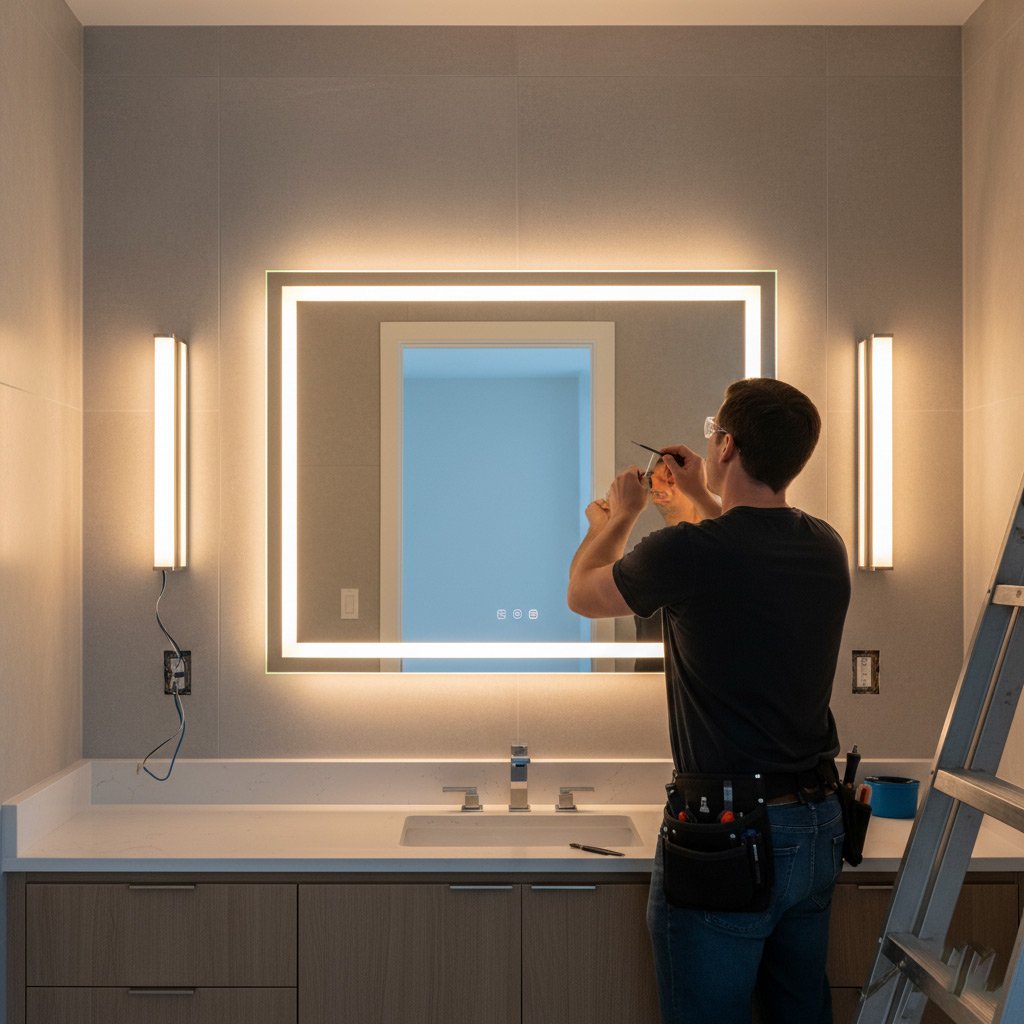
Picture this: you pull the curtain back, steam curls around you, and the sound of a gentle rain‑like shower greets your senses—right in the heart of Chandler.
Most homeowners think a spa‑style shower lives only in luxury hotels, but the truth is you can carve out that experience without tearing down a wall or blowing your budget.
In the next few minutes I’ll walk you through the exact moves that turn a tired tub into a sleek, spa‑ready shower that makes every morning feel like a mini‑vacation. Ready to see how simple it can be?
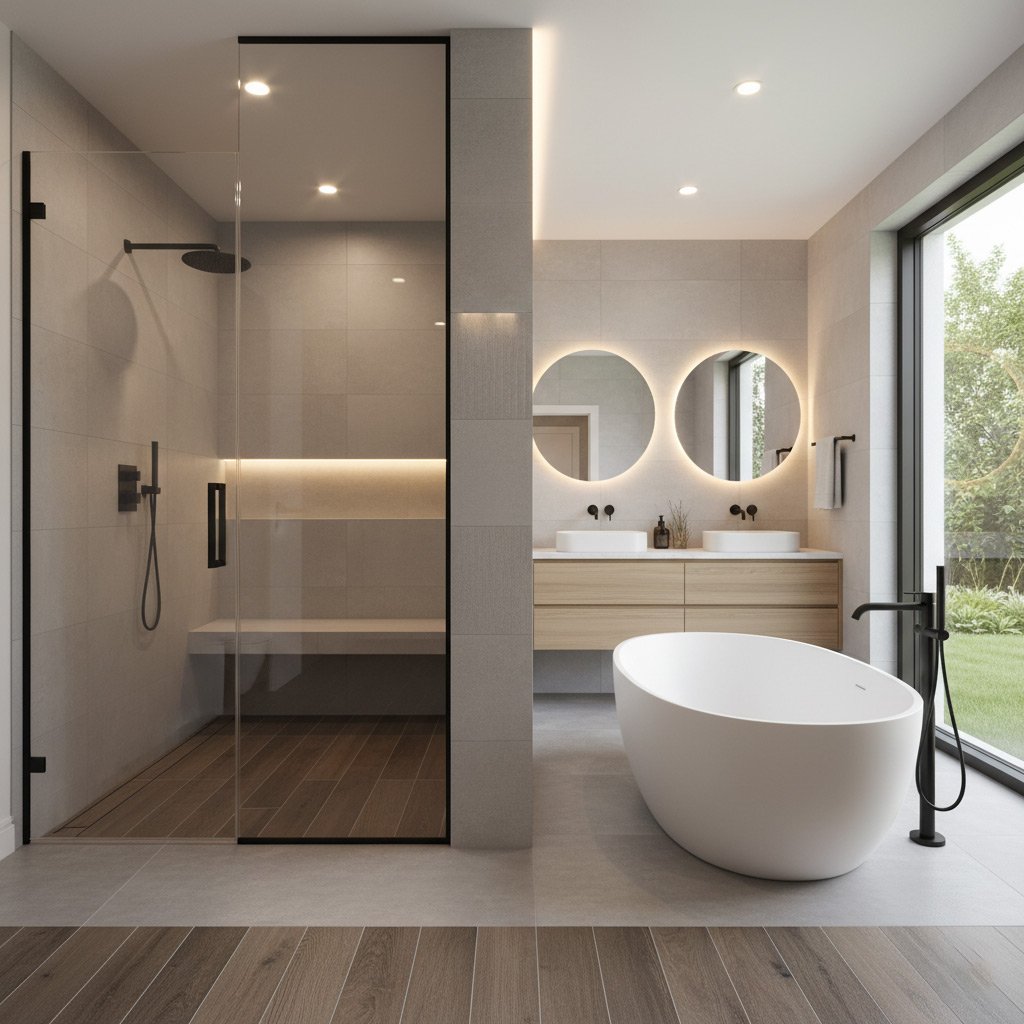
Evaluating Your Existing Tub and Planning the Layout
First thing’s first: take a good look at the tub you’re about to replace. Is the framing solid? Are the pipes in good shape? A quick visual inspection can save you weeks of surprise work later. Grab a tape measure and note these critical dimensions:
- Length, width, and depth of the tub – you’ll need the exact footprint for a new base.
- Rough‑in plumbing locations – where the drain and water supply sit will dictate your shower’s plumbing plan.
- Condition of the subfloor – any rot or water damage must be repaired before you pour a new slab.
Once the numbers are in, sketch a simple layout on graph paper or a tablet. Think about traffic flow: you don’t want the shower door slamming into a vanity or a hallway. Keep at least 30‑inches of clear space in front of the entry, and consider where the showerhead will point for the best coverage.
Key layout decisions to lock down now
- Will you go with a curbless “walk‑in” design or a traditional raised base?
- Where will the niche or bench sit – opposite the door or tucked into a corner?
- Do you need extra room for a steam generator or a built‑in seat?
Finally, check Chandler’s building codes. A permit is usually required for any plumbing changes, and the city may have specific slope requirements for the drain. Getting this paperwork sorted before you swing a hammer keeps the project moving at a steady clip.
Selecting the Ideal Shower Base, Drain, and Waterproofing System
Shower Base Types
First thing’s first: pick a base that fits your space and vibe. Acrylic is light, cheap, and easy to install, while stone‑coated gives that luxe feel without the weight of real stone. If you crave a custom look, go for a tile‑ready pan—just remember you’ll need a solid substrate underneath.
- Acrylic: budget‑friendly, low maintenance.
- Stone‑coated: upscale look, slip‑resistant surface.
- Tile‑ready: endless design options, requires extra prep.
Choosing the Right Drain
The drain is the unsung hero of a spa‑ready shower. A linear drain runs along one wall, creating a sleek, modern line and easier cleaning. A classic center drain works well in smaller footprints and gives a balanced look.
- Linear drain – perfect for a minimalist aesthetic.
- Center drain – ideal for tight spaces.
- Match the drain size to your base (usually 2‑inch or 4‑inch).
Waterproofing System
Without a rock‑solid waterproofing plan, your dream shower can turn into a nightmare. Choose a liquid membrane for seamless coverage, or a sheet membrane if you prefer a tried‑and‑true method that’s easy to inspect.
- Liquid membrane – smooth application, no seams.
- Sheet membrane – proven durability, visible layers.
- Don’t forget a waterproof backer board (like cement board) before the membrane.
Choosing Spa‑Inspired Fixtures, Tiles, and Finishes
Fixtures that whisper luxury
Start with a rain‑head showerhead; the steady cascade feels like a gentle waterfall. Pair it with a thermostatic valve so the water stays just right, no surprise cold blasts.
Consider a handheld wand for those hard‑to‑reach spots. It adds flexibility without cluttering the space.
- Brushed nickel or matte black finishes – they age gracefully.
- Body jets or a built‑in speaker system for a spa‑like soundtrack.
- Touch‑less controls – clean, modern, and low‑maintenance.
Tiles & finishes that set the mood
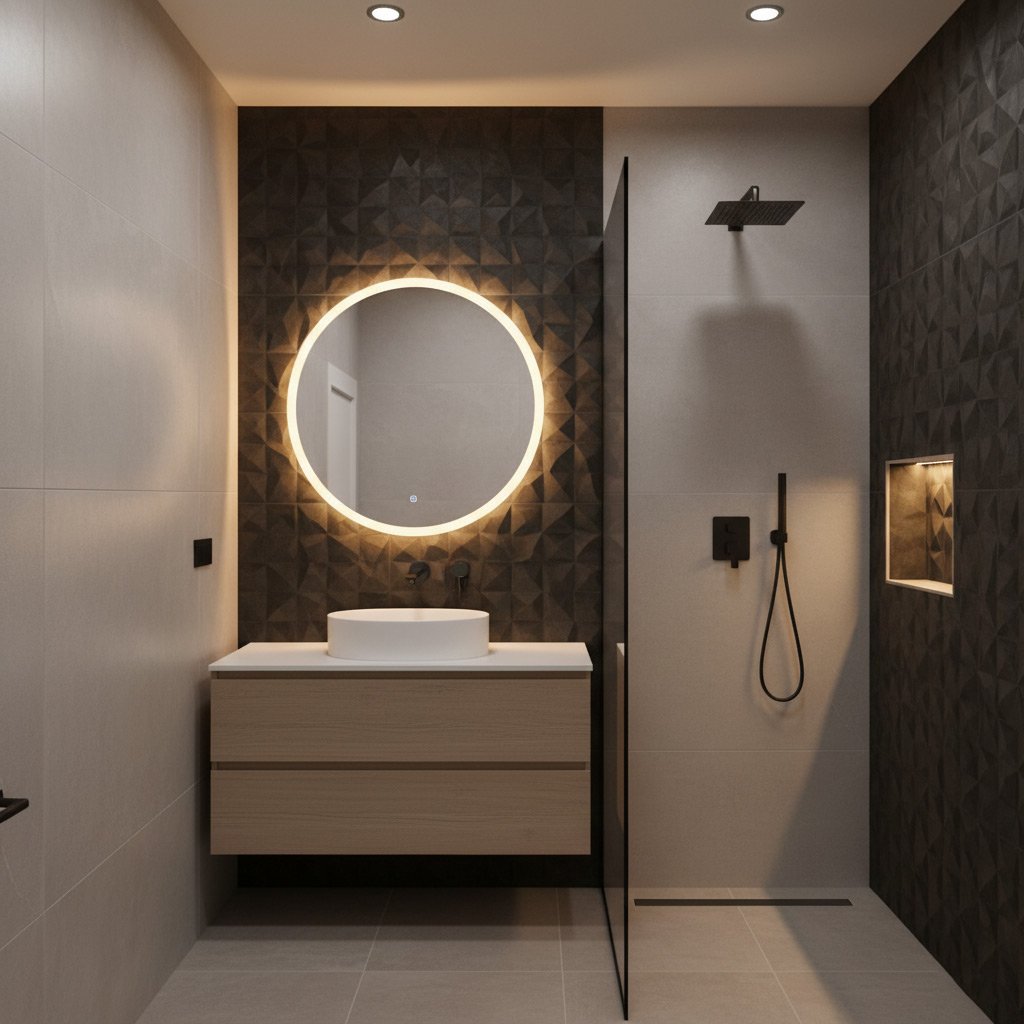
Large format porcelain tiles create a seamless look; fewer grout lines mean less cleaning. Choose a matte stone look for a soothing, natural vibe.
Accent the shower wall with a mosaic strip or a pebble‑in‑the‑wall panel. It adds texture without overwhelming the eye.
- Neutral tones – soft grays, warm beiges, or muted blues.
- Glossy floor tiles for a subtle slip‑resistant shine.
- Integrated bench material – same tile or a contrasting teak.
Mix‑and‑match for that spa vibe
Balance sleek hardware with warm wood accents. The contrast makes the space feel both high‑end and inviting.
Don’t forget the small details: a recessed niche for shampoo, a built‑in towel rack, and a low‑profile linear drain that disappears into the floor.
- LED accent lighting behind the niche for a soft glow.
- Water‑resistant paint on any exposed wall – keep it fresh.
- Silicone‑sealed corners – the secret to a leak‑free shower.
Step‑by‑Step Installation Guide: From Demolition to Final Seal
Demolition
First, turn off the water and disconnect the tub’s supply lines – a quick twist and you’re clear.
Break the tub away from the flange with a reciprocating saw; keep the surrounding drywall intact for reuse.
Remove the old mortar, clean the sub‑floor, and inspect for rot. If you spot any, replace the plywood before moving on.
Installing the Base & Waterproofing
Lay a drain-ready shower pan on a bed of thin‑set mortar; the pan’s pre‑sloped channel does the heavy lifting.
Apply a liquid waterproofing membrane over the entire floor and up the walls at least six inches – this is the armor that stops leaks.
While the membrane cures, set the new drain assembly, making sure the PVC trap aligns perfectly with the pan’s outlet.
Final Seal and Testing
Fit your chosen tile or stone, using a narrow‑gap grout for a sleek look and easier cleaning.
When the grout is set, run a bead of silicone caulk along every joint where tile meets the shower curb, the niche, and the door frame.
Give the system a 24‑hour cure, then flood the shower with water. Watch for any drips – if none appear, you’ve just turned a tired tub into a spa‑ready oasis.
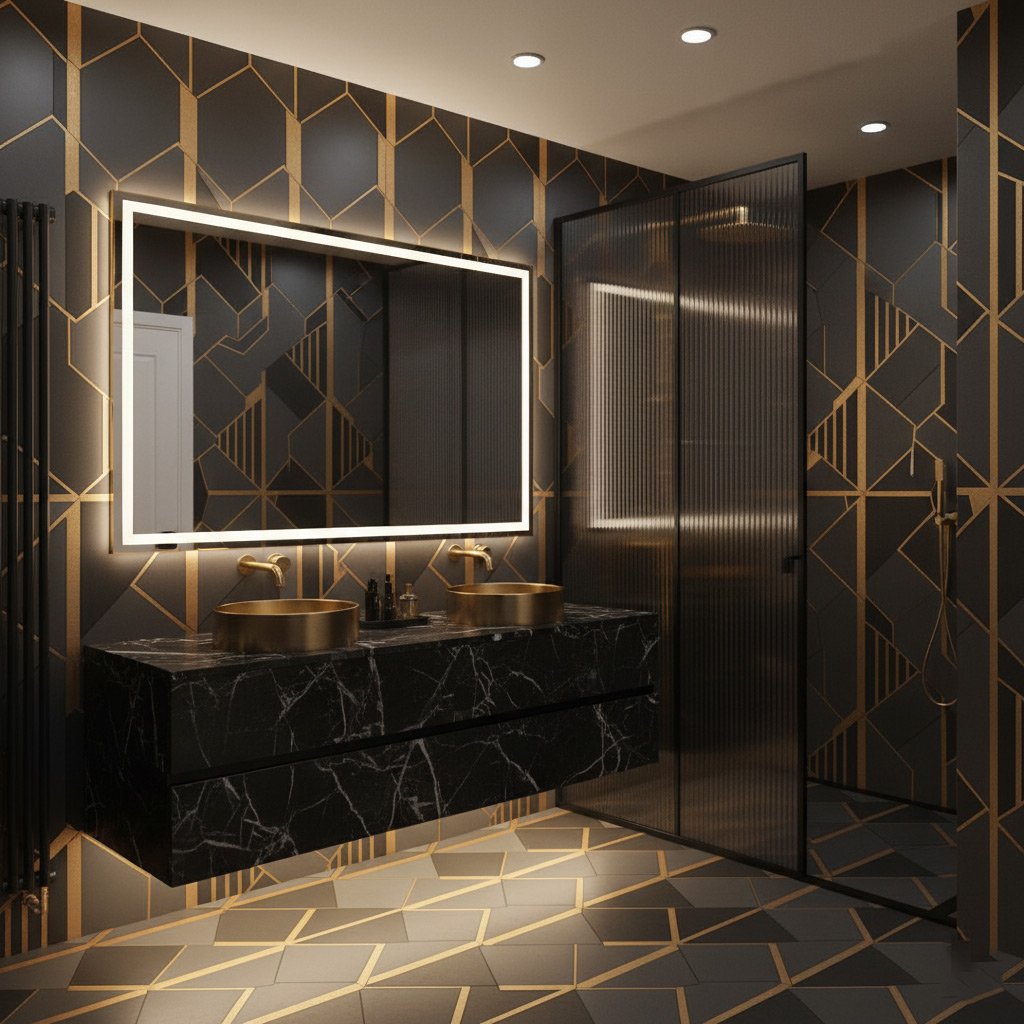
Enhancing the Experience: Lighting, Niches, Benches, and Steam Options
Lighting that Sets the Mood
Layered lighting turns a plain shower into a retreat. Recessed LED strips along the ceiling give a soft glow, while a dimmable vanity light lets you dial the intensity down for a spa‑like feel. Add a waterproof color‑changing fixture for those evenings when you want a splash of teal or amber.
Built‑In Niches and Shelving
Keep shampoo, soap, and aromatherapy oils within arm’s reach without cluttering the floor. A shallow niche set into the wall creates a sleek pocket that doubles as a visual break. Pair it with a floating shelf for larger bottles, and you’ll never scramble for space again.
Seating Solutions
A low‑profile bench made of stone or teak invites you to sit, stretch, and enjoy the steam. Choose a bench with a slight curve to match the shower’s flow, and add a quick‑drain slot so water slides away effortlessly. The result? A place to pause, breathe, and soak in the moment.
Steam and Extras
Installing a compact steam generator gives you that hotel‑room luxury without a full remodel. Look for a unit that plugs into a standard outlet and includes a timer for safe sessions. Pair it with a digital control panel, and you’ll have temperature, duration, and even aromatherapy mist at your fingertips.
- LED lighting – energy‑saving, long‑life
- Recessed niches – hidden storage, clean lines
- Stone bench – durable, water‑resistant
- Steam generator – compact, user‑friendly
Case Study: Turning a Chandler Homeowner’s Outdated Tub into a Spa‑Ready Shower Oasis
Before the Conversion
When we first stepped into the Johnson family bathroom, the tub looked like it belonged in a 1990s sitcom—faded enamel, cracked caulk, and a leaky faucet that dripped like a metronome.
They wanted a space that felt like a retreat, not a chore‑room. The layout was cramped, the lighting dim, and the tile pattern was a tired checkerboard.
The Transformation Process
Our crew mapped out a new footprint that kept the existing plumbing footprint, saving the Johnsons a costly reroute.
Key decisions that made the magic happen:
- Shower base: a 36‑inch linear drain with a low‑profile acrylic pan for quick drainage.
- Waterproofing: a 2‑layer cement board system topped with a liquid membrane—no surprises down the line.
- Fixtures: a thermostatic rain‑shower head paired with a handheld sprayer for spa‑level control.
- Tile: large‑format, matte porcelain in a soft dove gray, creating a seamless, spa‑like look.
Demolition took a single weekend. The new base was set, the walls were tiled, and we sealed every joint with a silicone that resists mold.
Resulting Spa Experience
Now the Johnsons step into a shower that feels like a private oasis. Steam rises from the rain‑head, and the built‑in niche holds their favorite aromatherapy oils.
They added a recessed LED strip that glows warm at night, turning the routine into a ritual. The whole bathroom went from “just a bathroom” to “the best part of the day.”
Final Words
Before you swing that hammer, remember the biggest win is planning ahead. A clear layout, the right base, and waterproofing will save you headaches later. If you’re still on the fence, check out our Tub to Shower Conversion page for quick FAQs and real‑world examples.
What to Keep in Mind
- Measure twice, cut once – a few extra inches of tile never hurt anyone.
- Choose a drain assembly that matches your new base; mismatched parts are a silent money‑saver.
- Invest in a good waterproof membrane; it’s the unsung hero that keeps mold at bay.
When the job’s done, step back and feel the difference. That steam‑filled moment you imagined? It’s now a daily reality, right in your Chandler home. No need for a hotel reservation—just a well‑executed conversion and a little pride in the work you (or your pros) just completed.
People Also Ask
Can I convert my existing tub to a shower without moving plumbing?
Yes, most tub‑to‑shower conversions in Chandler can reuse the existing drain and water supply lines, especially if the new shower base aligns with the current tub location. A professional remodeler will assess pipe lengths and may add short extensions to meet code requirements.What type of shower base is best for a spa‑ready feel?
A low‑profile, slip‑resistant acrylic or stone‑resin base provides a seamless look and easy maintenance, while a linear drain system offers a modern, spa‑like aesthetic. Pair it with a waterproof membrane to protect the subfloor.Do I need a special waterproofing system for a spa shower?
Absolutely. A certified waterproofing membrane, such as a liquid‑applied or sheet system, prevents water infiltration and mold growth, which is crucial for the humid Chandler climate. Proper sealing around the drain and walls is essential for long‑term durability.How can I add steam to my new shower?
Install a steam generator designed for residential use and ensure the shower enclosure is fully sealed with vapor‑tight doors and insulated walls. A professional will integrate the generator with the existing electrical system and provide a control panel for temperature and timer settings.What lighting options create a spa atmosphere?
LED recessed lights with dimmable controls, along with waterproof accent lighting around niches or the shower bench, create a calming ambiance. Consider color‑changing LEDs for customizable mood lighting that enhances the spa experience.
Chandler Bathroom Remodel specializes in comprehensive bathroom renovations, bringing over a decade of craftsmanship to homes throughout Chandler, Arizona. Their team combines local knowledge with a commitment to quality, ensuring each project reflects the unique style and functional needs of the community. From design consultation to final installation, they guide homeowners through every step for a seamless remodel experience.
Need Bathroom Remodel?
Rapid, reliable service that gets your home back on track in Chandler, AZ (85224, 85225, 85226, 85248, 85286) and neighboring communities.
Get Remodel Estimate